Friday, December 1, 2023

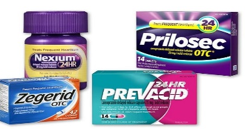
 Proton Pump Inhibitors. Should we be taking them long-term?                                                                                             

Since the development of Proton Pump Inhibitors (PPIs) in 1989, they have become the primary treatment for acid-related disorders but may not be good to use for long-term use. The stomach is normally an acidic environment, and the normal Ph in the stomach is between 1.5- 2.0. This acidic environment allows for the digestion of certain nutrients and kills organisms that are not supposed to get into the intestines. PPIs also decrease the diversity of the bacteria in the gut which may lead to leaky gut. As of May 2023, there were 12,949 active PPI lawsuits pending in federal court blaming some PPI drug manufacturers from failing to warn users of the potential complications of taking PPIs. Many of the allegations claim that PPI’s caused kidney damage.

Although, patients are placed on a PPI for its benefit to managing acid-related diseases, there are drawbacks as well. PPIs change the normal functioning of the body by reducing the amount of hydrochloric acid we should have in our stomach. With long-term use this can lead to a decrease in calcium absorption and bone strengthening leading to an increased risk of osteoporosis. Long-term use can also lead to a decrease in very important vitamins and minerals including vitamin B12 and magnesium. Finally, long term use can cause intestinal infections such as C-diff, leading to severe diarrhea. A 2013 study showed people who took PPIs for more than 2 years were 65% more likely to have a B12 deficiency. Other studies have shown that taking PPIs for more than a year may lead to low magnesium levels and low stomach acid has shown to cause iron deficiencies.

If you are currently taking a PPI to manage an acid-related disorder, do not stop taking it without first consulting with your medical provider, but remember there are many things you can do to improve your acid related disorder and PPIs do not fix the problem: eat small meals, eat slowly and mindfully, track your trigger foods and avoid them, avoid carbonated beverages, avoid late night eating, weight loss, relaxation techniques, and reduce alcohol. We at Gut Instinct can work with you on improving your digestion so PPI medication is no longer needed by guiding you to eating a more whole foods diet to strengthen your digestion, help you identify your trigger foods, and teach you methods to manage your stress and improve sleep.

References

1.        https://www.uclahealth.org/news/ask-the-doctors-you-should-know-the-long-term-side-effects-of-taking-ppis

2.        https://badgut.org/information-centre/a-z-digestive-topics/managing-gerd-ppis/

3.        https://www.drugs.com/

4.        Tran-Duy A, Connell NJ, Vanmolkot FH, et al. Use of proton pump inhibitors and risk of iron deficiency: a population-based case-control study. Journal of Internal Medicine. 2018;285(2):205-214. doi:https://doi.org/10.1111/joim.12826

 Are Weight Loss Medications Really Miracle Drugs?

According to the CDC the prevalence of obesity was 41.9% from 2017-March 2020. Since obesity can lead to a variety of health problems including heart disease, type 2 diabetes, and impaired mobility drugs like Ozempic, Wegovy, and Mounjaro which have shown to promote significant weight loss seem like miracle drugs since typical diet and exercise regimens haven’t shown to be successful. The rate of obesity continues to increase and the World Obesity Federation states over 4 billion people, more than half the world’s population will be obese in 2035.

In 2012 a team of researchers at Norvo Nordisk developed semaglutide, a once-a-week diabetes treatment and named it Ozempic. The FDA approved Ozempic in 2017 for treating type 2 diabetes. Four years later the FDA approved Norvo Nordisk’s drug Wegovy to treat obesity which has the same active ingredient as Ozempic. In 2022, the FDA approved another medication developed by Eli Lilly called Mounjaro who’s active ingredient is Tirzepatide, to treat type 2 diabetes but is also being used off label to treat obesity like Ozempic.

So how do these drugs work? They are given as an injection that contain semaglutide or tirepatide and mimic a hormone which suppresses appetite to help reduce and regulate hunger, so you eat fewer calories. They help lower blood sugar by assisting the pancreas in making more insulin and slow digestion by increasing the time it takes food to leave the stomach. In one cohort study of 175 patients taking semaglutide the total weight loss percentage was 5.9% at 3 months and 10.9% at 6 months. In another study patients with obesity taking Mounjaro experienced a 26.6% weight loss in 84 weeks.

The significant weight loss seen in these studies is promising in the fight against obesity, but before you go running to your medical provider for a prescription there are side effects (as with all medications) that everyone should be aware of. Mild side effects include nausea, constipation, diarrhea, and vomiting. More severe side effects are stomach paralysis, pancreatitis, bowel obstruction, dehydration, and malnutritionAlthough severe side effects are considered rare, they must be considered before starting treatment and as more people take these medications the rate of the more severe side effects occurring may increase. In a recent study people taking Ozempic had a higher risk of developing pancreatitis, bowel obstruction, and stomach paralysis. It is also thought that once these medications are stopped people will regain the weight. In one study when the medication was stopped, people regained two-thirds of the weight that was lost in a year.

So, what’s the answer? Unfortunately, there is no easy answer.  Before starting any weight loss medication, it is important to discuss the pros and cons with your medical provider. If you do decide to take the newest weight loss medications it’s important to incorporate lifestyle changes including eating minimally processed foods, exercising, stress management, and getting proper sleep. It is uncertain if taking these medications will work long-term or if they need to be stopped due to side effects or other complications such as pancreatitis. Currently these medications are very expensive and sometimes hard to get due to shortages unlike lifestyle changes which have no side effects, aren’t expensive, or hard to get. Just like being told these medications may need to be taken for a lifetime so are life-style changes without the worry of some very severe side effects and this is where we at Gut Instinct can help.

References

1.       https://www.healthline.com/health-news/mounjaro-more-effective-than-ozempic-for-weight-loss-new-studies-suggest

2.       (2022) Review for ‘weight regain and cardiometabolic effects after withdrawal of semaglutide: The step 1 trial extension’ [Preprint]. doi:10.1111/dom.14725/v1/review2.

3.       Ghusn W, De la Rosa A, Sacoto D, Cifuentes L, Campos A, Feris F, Hurtado MD, Acosta A. Weight Loss Outcomes Associated With Semaglutide Treatment for Patients With Overweight or Obesity. JAMA Netw Open. 2022 Sep 1;5(9):e2231982. doi: 10.1001/jamanetworkopen.2022.31982. PMID: 36121652; PMCID: PMC9486455.

4.       Sodhi M, Rezaeianzadeh R, Kezouh A, Etminan M. Risk of Gastrointestinal Adverse Events Associated With Glucagon-Like Peptide-1 Receptor Agonists for Weight Loss. JAMA. Published online October 05, 2023. doi:10.1001/jama.2023.19574


 Is Grass Fed Beef Better for You?


You may have you heard about grass fed beef but may not know what this term means and if there is a difference between grass fed beef and grain fed beef. Or you may have never even thought about the fact that today’s cows are eating differently than the cows of yesterday.

When you go to the grocery store you may not be aware that most beef that is available to purchase is grain fed. This means the cows ate corn and soy and other grains. The cows were confined in feedlots that violated their freedom causing fear and distress. In these feedlots cows eat whatever is the cheapest source of energy to fatten them up (an all-grain diet), but this diet is not what they should be fed. Cows are ruminants like sheep, goats, and deer and have four stomachs. They mostly eat grass and turn it into protein. They digest grass and any grains leftover from harvesting and extract the nutrients. Cows that eat in this way will produce grass fed beef. Cows do have the ability to digest grains, but the stomach must produce more acid to break down the grains and retrieve the few nutrients remaining. The cow’s digestion needs to switch to a separate way of digesting food. Cows fed this way will produce grain fed beef.

So, by now you may be asking what is the difference between the two? Grass fed beef is higher in omega three fatty acids whereas grain fed beef is higher in omega six fatty acids. The omega six to omega three ratio in grain fed beef is 4:1. This initially may not seem like a problem but then there is little room to consume other omega six containing foods such as bread, rice, and oatmeal and our diets become extremely high in omega six fatty acids which can lead to health problems. Grass fed beef is higher in conjugated linoleic acid (CLA), a precursor for vitamin A and E, and contains cancer fighting antioxidants. CLA is a polyunsaturated fatty acid we must obtain from our diet and may help fight cancer, discourage weight gain, and build muscle and is in high-quality grass-fed beef and butter and other grass-fed animals such as bison. Grass fed beef is more likely to be free of hormones and antibiotics, may help improve blood sugar since CLA has shown to improve insulin sensitivity, has less overall fat and unhealthy fat (lower fat content causes grass fed meat to cook faster), and lower levels of dietary cholesterol. Research has shown that when cows eat an herbivore diet this may protect meat from protein oxidation and lipid peroxidation which studies have linked to inflammation and heart disease. A 2015 study in Consumer Reports demonstrated that choosing to eat grass fed beef over conventional meat decreased the risk of food poisoning which resulted in fewer antibiotic resistant bacteria. Finally, grass-fed beef may lower the carbon footprint and help the environment rather than hurt it.

Studies have shown that reducing the amount of red meat we eat can have positive effects on our health, but the studies do not differentiate between which type of meat people are eating. So, what should you do? It is best to limit the amount of red meat in your diet and when you do eat it, choose grass-fed meat over grain fed meat. We at Gut Instinct can help you navigate the grocery store and identify what to look for on the label ensuring you are purchasing grass-fed meat and provide you with delicious recipes.

References

1.      https://draxe.com/nutrition/grass-fed-beef-nutrition/

2.     Davis H, Magistrali A, Butler G, Stergiadis S. Nutritional benefits from fatty acids in organic and grass-fed beef. Foods. 2022;11(5):646. doi:10.3390/foods11050646

3.     Provenza FD, Kronberg SL, Gregorini P. Is grassfed meat and dairy better for human and environmental health? Frontiers in Nutrition. 2019;6. doi:10.3389/fnut.2019.00026


 Long COVID and Serotonin


Some people who have been infected with COVID 19 may experience long term symptoms and be diagnosed with long COVID. According to the CDC people with long COVID can have a wide range of symptoms that can last weeks, months, or even years after infection. Symptoms can even go away and then return. Some symptoms include fatigue that affects daily life, cough, heart palpitations, sleep problems, headaches, depression, anxiety, diarrhea, joint or muscle pain, and rashes.

A recent study published in the journal Cell suggested that the reduction of serotonin in the gut was caused by remnants of the virus living in the gut, which is significant since 80-90% of serotonin is made in the gut. The authors suggest depleted serotonin levels may be the reason why there are memory problems and neurological and cognitive symptoms seen with long COIVD. Researchers found when the participants’ blood was analyzed right after being infected with COIVD there was a reduction in serotonin which usually occurs after an infection and then typically goes back to normal. In participants with long COVID, serotonin was the only molecule that remained depleted after infection. The researchers also found viral particles in the stool samples of patients with long COIVD. The viral remnants can cause the immune system to produce infection-fighting proteins called interferons which can lead to inflammation in the body and prevent the body from absorbing tryptophan which is an amino acid that helps the body produce serotonin. Although the study was small it may provide medical providers with ways to treat long COVID and the study suggested the use of anti-depressants such as Prozac and tryptophan may be potential options.

Whether you are struggling with symptoms of long COVID or not it is important for everyone to do things that improve the body’s production of serotonin since it is such an important neurotransmitter.  Eat foods that naturally contain tryptophan. Tryptophan is found in chicken, turkey, fish, and fruits such as bananas, apples, and prunes. As mentioned earlier tryptophan plays a role in the production of serotonin, a mood neurotransmitter that relaxes you. It also supports the natural production of melatonin. Because it’s an amino acid, your body can only get it from food.  Exercise daily, especially aerobic exercise such as walking, jogging, hiking, bike riding, and swimming. Exercise improves your body’s ability to produce serotonin indirectly. When you exercise, your gut-brain axis tells your body to release tryptophan into your bloodstream and decrease the amount of other amino acids, making it easier for tryptophan to reach the brain and put you in a better mood. Get some sunshine. Spending just 10 to 15 minutes outside every day, has shown to increase serotonin levels. Finally, eat foods rich in probiotics such as yogurt, kefir, certain cheeses, and sauerkraut. The bacterium in the gut helps produce serotonin. Studies have found that several species of gut bacteria are missing in people with depression, and that imbalances in gut flora can lead to mood imbalances. If you have been diagnosed with long COVID or simply want to make lifestyle changes to improve your health and serotonin production, we at Gut Instinct are here to guide you in making lasting changes to improve your health and vitality.

You may also watch this video for a short disucssion on this research study COVID and Serotonin

References

https://www.cdc.gov/coronavirus/2019-ncov/long-term-effects/index.html  

https://www.amymyersmd.com/article/serotonin-gut-health

Wong, A. C., Devason, A. S., Umana, I. C., Cox, T. O., Dohnalová, L., Litichevskiy, L., ... & Levy, M. (2023). Serotonin reduction in post-acute sequelae of viral infection. Cell.


Wednesday, July 27, 2022

Probiotics and Prebiotics: What are they?

Prebiotics

Prebiotics are the food for our gut. They help good bacteria grow and reduce bacteria that causes illness1They may improve the health of the gut, calcium absorption, and blood sugar.1 Prebiotics are found in foods of the Mediterranean diet like fruits, vegetables, beans, and whole grain foods.2


Probiotics

Probiotics are called the good bacteria or live cultures.2 They are like the bacteria found in your gut.2 They help keep the gut bacteria balanced which may improve your immune system and your health.2 Probiotics are found in foods of the Mediterranean diet like yogurt, kefir and certain cheeses.2 These foods have live cultures in them.2


How They Work Together

Prebiotics and probiotics work together. Prebiotics are the food for probiotics. Eating foods with prebiotics promotes healthy bacteria by creating a good environment in the gut to help the live bacteria in probiotics work.2 Together, prebiotic and probiotic foods may make your gut and your health better, 2 so eat yogurt with fruit like bananas and sprinkle some feta cheese on your salad.


References

  1. Lipsiki E. Digestive Wellness. Strengthen the Immune System and Prevent Disease Through Healthy Digestion. 5th Edition. McGraw Hill Books. 2020.
  2. https://www.eatright.org/food/vitamins-and-supplements/nutrient-rich-foods/prebiotics-and-probiotics-creating-a-healthier-you


Mental Health Checklist

  Mental Health Checklist Check in on your mental health daily Am I: Happy  Calm  Cheerful  Hopeful  Excited  Peaceful Sleeping -7-8 hours, ...